


Brian Ashton
Kohd Heritage: PHDV3U
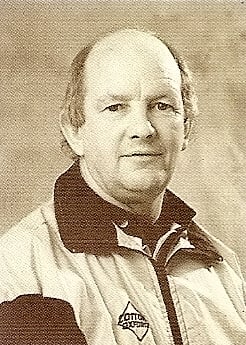
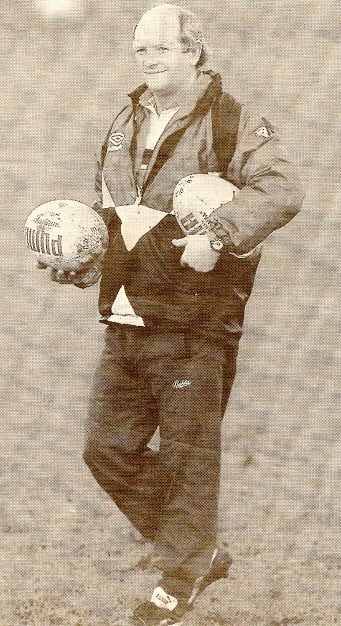
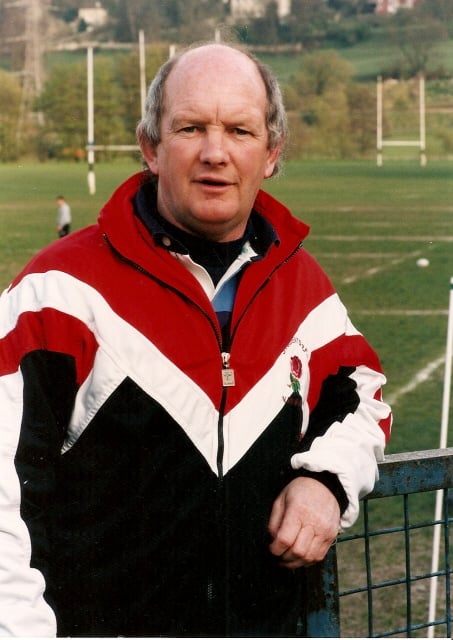
Brian Ashton's connection to Fylde RFC runs through five decades, from the scrum-half who never quite received the England cap many thought he deserved, to the coach who returned home after leading his country to a World Cup final. Born in Leigh in September 1946, Ashton attended Lancaster Royal Grammar School before making his name at the Woodlands as a player regarded among the finest half-backs in the north of England. He represented Lancashire, England North, and the Barbarians, but international recognition eluded him during his playing years.
Teaching and coaching drew him away from Fylde, and the path that followed took him to Bath, where his attacking philosophy helped shape one of English rugby's most celebrated sides, then to Ireland as national coach, and eventually to the England setup. When he took charge of England in late 2006, few expected what came next. The team he guided to the 2007 World Cup final in Paris played with an expansiveness that bore his signature, even in defeat to South Africa.
What matters for Fylde is what happened after the international stage. In June 2010, Ashton returned to the club as a coaching consultant, later becoming Technical Director. He was there through the 2010-11 season when Fylde secured promotion to National League 2 North, the club's first taste of third-tier rugby. His presence brought not just tactical insight but a sense of occasion, a reminder that someone who had stood in the biggest arenas in world rugby still found meaning in the work being done at a Lancashire club.
The arrangement ended in May 2012 when Ashton resigned, citing the demands of other commitments. For four years the connection went quiet, but in September 2016 he returned again, this time without a formal title. He committed to training at the Woodlands every week and attending home matches, a Lancaster resident choosing to spend his time with the club where his rugby life began. It was not a headline appointment or a rescue mission. It was something quieter and more durable, the kind of contribution that does not announce itself but shapes the environment around it.
Ashton's influence at Fylde has never been about imposing a system or chasing personal accolades. Those who have worked with him speak of his ability to see the game differently, to unlock possibilities in players who might not have recognised them in themselves. His coaching career, from Bath's glory years through to that World Cup final, was built on trusting players to express themselves within a structure. At Fylde, that same philosophy found a different scale but no less purpose.
The story of Brian Ashton and Fylde is not one of a famous son parachuting in for sentiment's sake. It is the story of someone whose life in rugby began on these pitches, who went as far as the sport allows, and who chose to return not once but twice. He trains, he watches, he contributes. For a club like Fylde, which has always drawn strength from its roots in the Lancashire rugby community, that sustained presence matters. The best scrum-half never to wear the white of England became the coach who did, and then became the figure at the Woodlands on a weekday evening, still finding something worth his time in the place where it all started.
Image credits: Bath Rugby Heritage; photographer not stated. Copyright remains with the respective rights holders. Kohd does not claim ownership of these images.

Published October 15, 2026