


Sir Wayne Shelford KNZM MBE
Kohd Heritage: WYN44A
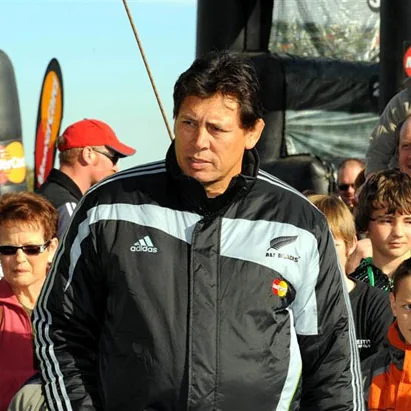


Wayne Shelford's name carries weight in New Zealand rugby, not simply because of what he achieved on the field, but because of how he changed what it meant to lead an All Blacks team. Born in Rotorua and shaped by the rugby culture of the North Shore, Shelford became the captain who restored belief during one of the most challenging periods in the national team's history.
His path to the black jersey began in the provincial competitions that formed the backbone of New Zealand rugby. Playing for North Harbour, Shelford established himself as a number eight whose physical presence and tactical intelligence set him apart. He understood the game not just as a contest of strength but as a test of collective will. That understanding would prove essential when he was appointed All Blacks captain in 1987, a year that would define his legacy.
The 1987 Rugby World Cup arrived at a moment when New Zealand rugby needed direction. Shelford provided it, leading the team to their first World Cup victory with a style of captaincy that combined uncompromising standards with genuine care for the men around him. He demanded excellence but never asked for anything he wouldn't give himself. His teammates responded, and the tournament became a turning point not just for that season but for the culture of the All Blacks going forward.
Shelford also recognized that the team's identity extended beyond tactics and fitness. He revitalized the performance of "Ka Mate," the traditional haka that had become routine rather than meaningful. Under his captaincy, the haka regained its power as a statement of identity and intent. It was a cultural restoration as much as a sporting one, reflecting Shelford's understanding that the All Blacks represented something larger than any individual match result.
His playing career spanned provincial, international, and club levels, taking him beyond New Zealand's shores while keeping him rooted in the communities where he first learned the game. After retiring from playing, Shelford moved into coaching, sharing the lessons he had learned through years of competition at the highest level. He worked with clubs and provincial sides, investing in the next generation with the same intensity he had brought to his own career.
What distinguishes Shelford's story is what came after rugby. He became National President of the Returned and Services' Association, a role that speaks to a different kind of service but one that requires similar qualities: leadership under pressure, respect for tradition, and commitment to those who serve. The RSA presidency is not ceremonial work. It involves advocacy, community support, and representing veterans across the country. Shelford brought to it the same dedication that marked his rugby career.
For those connected to North Shore and North Harbour rugby, Shelford represents a particular kind of achievement. He came through local clubs, played for the provincial side, and went on to captain his country. But he never forgot where he started. His career demonstrates what becomes possible when talent meets opportunity within a strong rugby community, and when that talent is matched by character.
Shelford's legacy lives in the players who watched him lead, in the cultural practices he helped restore, and in the communities he continues to serve. He showed that leadership means more than winning matches. It means understanding what you represent and honouring that responsibility every time you step forward.
Sources
- Māori Sports Awards profile
- NZ History North Harbour Rugby
- Māori Sports Database image candidate 1
- Māori Sports Database image candidate 2
- Māori Sports Database image candidate 3
- Māori Sports Database image candidate 4
- Māori Sports Database image candidate 5
- Māori Sports Database image candidate 6
- Māori Sports Database image candidate 7
- Māori Sports Database image candidate 8
Published October 14, 2026